


A dollar can only do one job at a time. For employees balancing everyday expenses, debt payments, and retirement contributions amid rising inflation and interest rates, it can be hard to know where that dollar should go next.
Employers have made real progress helping workers save for retirement, with high participation rates, more automatic plan features, and many participants preserving assets. Yet retirement contributions often compete with immediate financial pressures: rising household expenses, higher borrowing costs, revolving debt, fluctuating income, and limited emergency savings. The question is not whether employees should save, pay down debt, or build emergency savings. Most need to do some combination of all three. The better question is where the next dollar can do the most good—and how employers can help participants make that decision with greater confidence.
The best place for the next dollar? It depends.
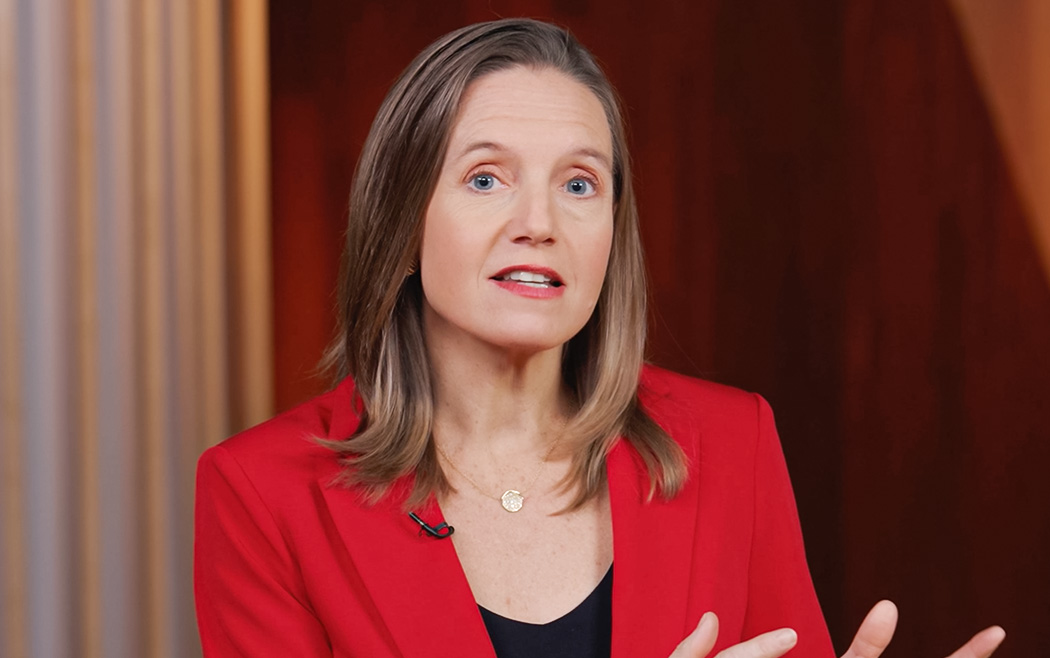
1 minute 33 seconds
Fiona:
Well, with higher interest rates and higher inflation, we're seeing debt balances increase not just debt balances but also delinquencies. So that means people are falling behind on those debts.
Now what does this mean for consumers and participants. Not all debts are created equal. Some are very high cost and some are low cost. So take for example credit card debt.
These carry interest rates of roughly 20%. What we're seeing in the data is more than half of our participants have revolving credit card debt. That means they're paying roughly 20% interest on their consumer spending.
Now, at the same time, we're actually seeing a lot of opportunities for people to take care of that debt. Many people may not be fully taking advantage of 401(k) loans.
Four out of five haven't taken a 401(k) loan. Some people may be contributing above and beyond the employer match.
At the same time, we also see people prepaying low cost debt. So they might have a mortgage, a student loan, a car loan that's actually not that high of an interest rate, but they could be earning more in the market if they were saving and investing that same money in their 401(k) plan.
So this debt environment has opportunities for both those who are carrying high cost debt. They can get rid of it.
And those who are carrying low cost debt and making sure that people are taking a total returns approach to how to allocate that next dollar.
Legal notes
Data sourced from Vanguard client data anonymously matched with quarterly historical credit bureau data for 2023.
All investing is subject to risk, including the possible loss of the money you invest.
© 2026 The Vanguard Group, Inc. All rights reserved.
Figure 1. How debt patterns vary by age and income


Notes: We considered 5.5 million Vanguard investors with quarterly credit bureau data for 2023 and 1 million Vanguard investors with monthly credit bureau data for 2023. We combined these data with Vanguard 2023 administrative data on investor age and income. We calculated the percentages of investors who carried each of four types of debt: mortgage, student loan, auto loan, and revolving credit card. Quarterly data were used to estimate the prevalence of mortgages, student loans, and auto loans. Monthly data were used to estimate the prevalence of revolving credit card debt because each credit card balance either is paid off in full or starts accruing interest the following month.
Source: Vanguard calculations, using Vanguard administrative data matched anonymously with data from Equifax.
When income varies, saving gets harder
As Figure 1b shows, debt pictures and financial wellness considerations differ across the annual income spectrum. Income volatility adds another layer, creating trade-offs between retirement saving and immediate financial obligations.
For employees with variable hours, overtime, commissions, or shift changes, monthly income can fluctuate significantly. When next month’s paycheck is uncertain, saving for the future may take a back seat to essential bills, debt payments, and other near-term needs. Even a temporary shortfall can make it harder to keep retirement goals on track.
Emergency savings can help preserve retirement assets

Debt choices can support—or quietly trip up—retirement progress
Debt repayment and retirement contributions are often treated as separate conversations, but employees may benefit from guidance that helps them consider both together. Paying extra toward lower-interest debt may not be the best move if it means missing out on the full employer match or long-term investment opportunities. At the same time, contributing above the match while carrying high-interest credit card debt may allow interest charges to eat away at some of the benefit of those extra contributions.
The choice is not purely financial. Debt can create stress and a desire for control, making repayment feel more rewarding than investing even when the math points elsewhere. Guidance that acknowledges those emotions while keeping priorities in view can help employees make more informed decisions.
Across age, life stage, and income, employers can reinforce a simple framework for deciding where the next dollar could have the greatest effect:
- Prioritize capturing the full employer match when possible.
- Build emergency savings to help manage short-term shocks.
- Address high-interest debt that can erode financial progress.
- Avoid paying extra toward lower-interest debt if it means forgoing matching contributions or potential long-term investment growth.
How employers can help participants choose well
Employers can help employees make better next-dollar decisions by applying that framework in plan features, communications, and targeted resources.
Expand emergency savings opportunities. Dedicated savings accounts and related solutions can help employees cover unexpected expenses without tapping retirement accounts.
Use targeted plan features where appropriate. For example, SECURE 2.0 allows employers to provide matching contributions based on qualifying student loan payments, helping employees pay down required debt while still receiving an employer contribution.
Make guidance timely and connected. Guidance is most useful when it reaches employees at key decision points, such as enrollment, contribution increases, loan or withdrawal requests, or benefit changes.
Target resources to employee needs. Employees with volatile income may need savings and budgeting support, while those managing student loans or high-cost debt may need help balancing repayment and retirement contributions.
Helping participants stay on track
Retirement readiness depends on more than getting employees into the plan. It also depends on helping them stay invested—even through inflation pressures, surprise expenses, income swings, and other financial curveballs that rarely arrive at a convenient time.
By addressing those pressures directly, employers can help employees make more confident decisions about their next dollar. When that next dollar is put to work where it matters most, it can support both near-term resilience and long-term retirement progress.
Related links


Sources:
1 Balancing Saving and Debt Paydown: Money Mistakes to Avoid. Vanguard, April 2026.
2 Emergency Savings Protect Retirement Savings. Vanguard, 2025.
3 Emergency Savings Protect Retirement Savings. Vanguard, 2025.
Note
All investing is subject to risk, including the possible loss of the money you invest.