


1 minute 38 seconds
Where does the price of oil go if it rises because of uncertainty and volatility in the Middle East? It is a risk factor that we have always considered in our internal outlook and analysis, and we will continue to monitor it. History shows very clearly that a rise in oil prices is a headwind to growth and can boost prices, contributing to inflation for investors.
However, oil price increases tend to have only a small effect if they are short-lived and not too high. We would only expect material impacts on our economic outlook if oil prices moved well above $100 per barrel and stayed there for at least two or three months. That is when the drag on growth would begin to affect business decisions.
At that point, growth expectations could be pushed down while inflation expectations rise, creating a so-called stagflation environment, which is difficult for policymakers to navigate. It weighs against growth, and it becomes harder to cut rates if the labor market weakens while prices are rising. That scenario would likely put pressure on financial markets. So again, oil prices are a risk factor. From an investment standpoint, my counsel would be not to be reactive and to recognize that oil price volatility would need to persist before it has significant long-term implications.
Geopolitical tensions and market uncertainty often bring renewed focus to oil prices—but not every price increase has lasting economic consequences.
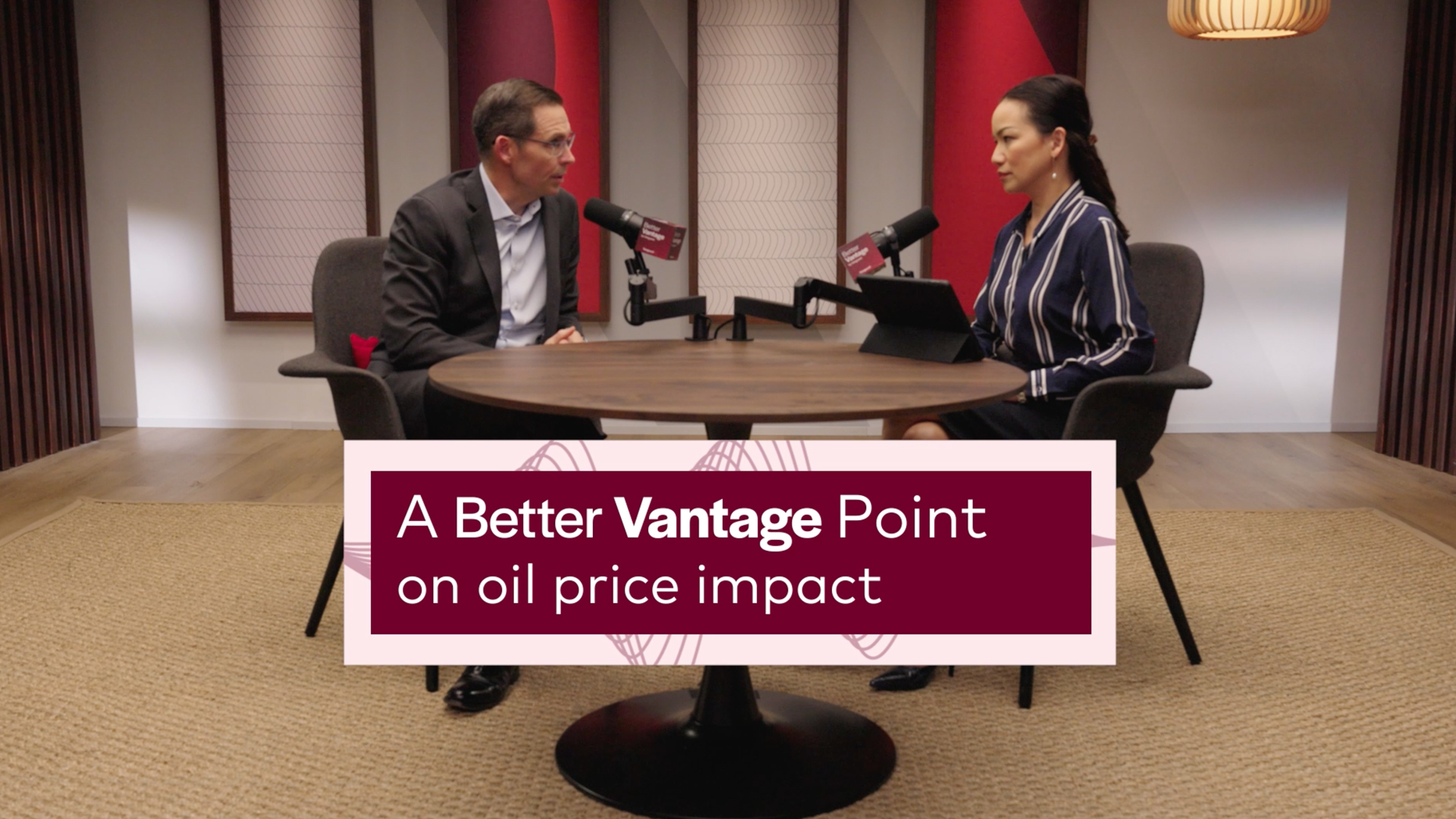
In this Better Vantage video, Vanguard Chief Economist Joe Davis explains to Christine Kashkari, editorial director of WSJ Custom Programming and co-host of the Better Vantage by Vanguard podcast series, when higher oil prices become a true headwind to growth, how they can influence inflation expectations, and why long-term investors should avoid reacting to short-term volatility.
Watch the video for a clear, historical perspective on oil price risk—and what really matters for the economic outlook.
